Key points
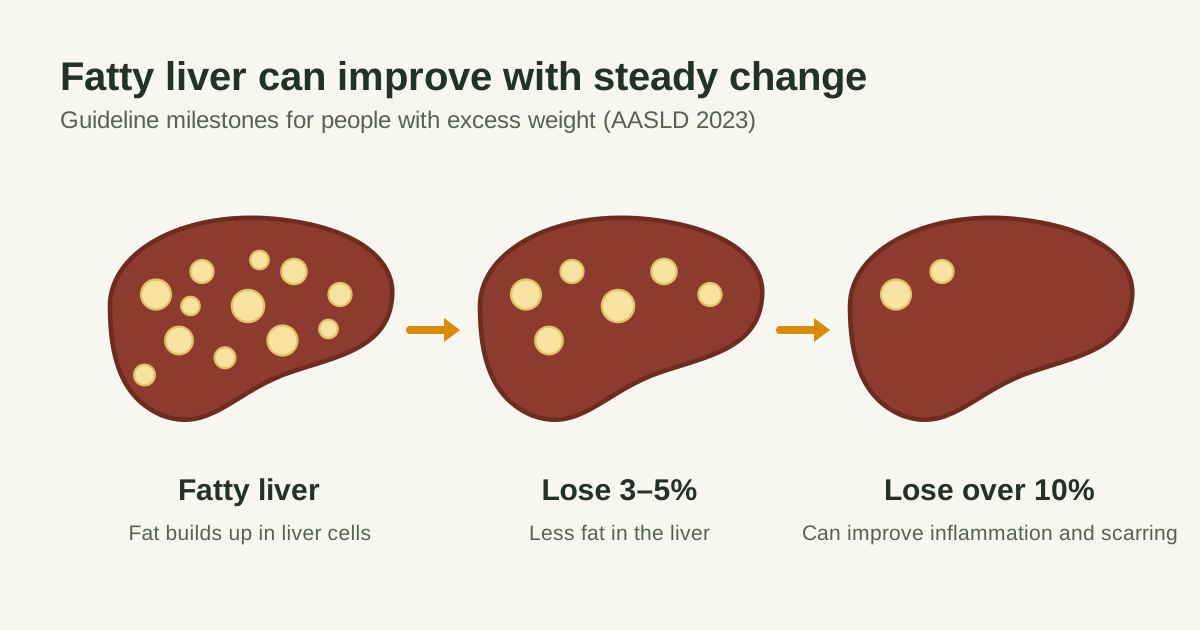
- Weight loss improves fatty liver step by step: 3–5% reduces liver fat; more than 10% is usually needed to improve inflammation and scarring.
- Exercise helps the liver even if your weight does not change. Aim for at least 150 minutes a week.
- Cutting sugary drinks, refined snacks and alcohol matters more than any single "liver food".
- Slow and steady beats crash diets, which can cause gallstones.
A quick note on the name
Since 2023, doctors have been replacing the term non-alcoholic fatty liver disease (NAFLD) with metabolic dysfunction-associated steatotic liver disease (MASLD). It is the same condition: extra fat in the liver linked to blood sugar, weight, blood pressure or cholesterol. Your ultrasound report may still say "fatty liver" with a grade.
Why lifestyle is the treatment
For most people, fatty liver comes from the same metabolic changes that raise the risk of diabetes and heart disease. That is why the AASLD, the leading US liver society, recommends lifestyle change as the foundation of treatment for everyone. It improves the liver and lowers heart risk at the same time.
Fatty liver is also common in India in people who are not overweight ("lean" fatty liver). Exercise and food quality help them too.
How much to exercise
Aim for at least 150 minutes a week of moderate activity, such as brisk walking, cycling or swimming, or 75 minutes of vigorous activity. Spread it over most days.
Exercise reduces liver fat even when the scale does not move, so keep going even if your weight loss stalls. If you are starting from very little:
- Weeks 1–2: a 10-minute brisk walk after two meals a day.
- Weeks 3–4: build to 20 minutes, five days a week.
- Weeks 5 onward: 30 minutes, five days a week, and add strength training.
Walking soon after meals also helps lower the blood sugar rise from the meal.
Strength training counts
Resistance exercise builds muscle, and muscle helps the body use sugar and fat better. It is a good option if joint pain makes long walks hard. Two or three sessions a week of 20–30 minutes is enough to start:
- Chair squats, step-ups, glute bridges and wall push-ups at home.
- Resistance bands for rows and shoulder presses.
- Gym machines, with a trainer or physiotherapist showing you safe technique first.
Start light, build up slowly, and stop if you feel sharp or joint pain. Check with your doctor first if you have heart disease, uncontrolled blood pressure or advanced liver disease.
Food that helps the liver
No single food cleans or cures the liver. The overall pattern matters. The pattern with the most evidence is Mediterranean-style eating: plenty of vegetables, pulses, whole grains, nuts and unsaturated oils, with fewer refined carbohydrates, sugary foods and processed meat. In an Indian kitchen, that looks like:
| Cut back on | Swap for |
|---|---|
| Packaged juice, cola, sweet chai and lassi | Water, unsweetened chaas, lemon water without sugar |
| Maida items: white bread, biscuits, bakery snacks | Whole-wheat or millet roti, poha with vegetables, sprouts chaat |
| Fried namkeen, samosa, pakora | Roasted chana, makhana, a handful of unsalted nuts |
| Large rice portions on their own | Smaller portions with dal, vegetables and curd |
| Sweets most days | Fresh fruit (whole, not juice); sweets for occasions |
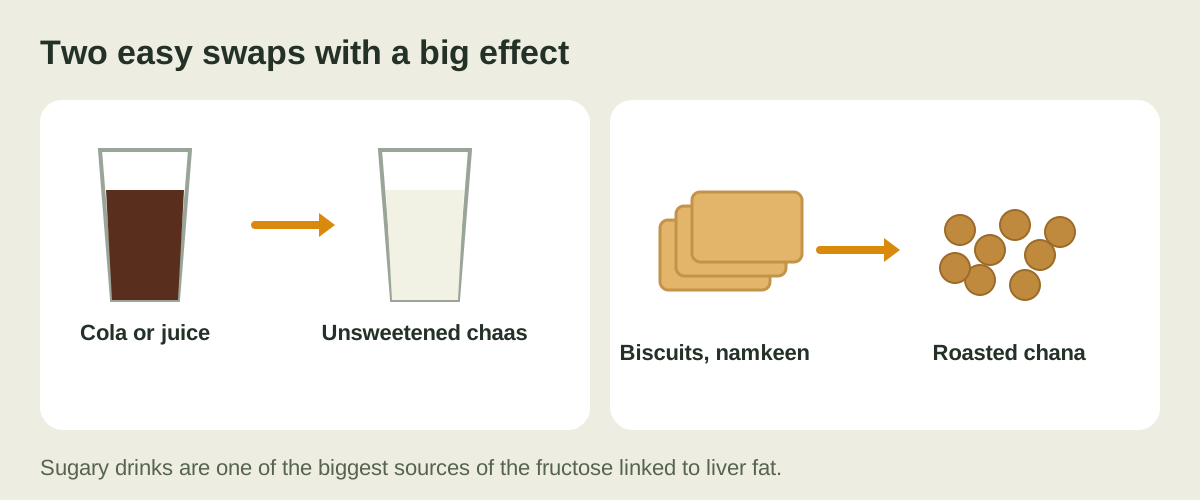
Fructose in sugary drinks and added sugar is especially linked to liver fat, which is why drinks are the first thing to change. Whole fruit is fine. The AASLD guidance also notes that drinking coffee is associated with less liver scarring; if you already drink coffee, there is no reason to stop, but keep sugar low.
Avoid "liver detox" products and herbal supplements unless your doctor approves them. Some supplements can harm the liver.
Alcohol
Alcohol adds to the damage. If your doctor finds significant scarring (fibrosis) or cirrhosis, the advice is to stop alcohol completely. For everyone else with fatty liver, less is better, and many doctors advise avoiding it. Ask your doctor what is right for you.
Weight goals
For people with excess weight, the AASLD guidance describes clear steps: losing 3–5% of body weight reduces liver fat, and losing more than 10% is generally needed to improve inflammation (steatohepatitis) and scarring. Even modest loss helps, especially in milder disease.
Aim to lose weight gradually over months. Very rapid weight loss and crash diets can raise the risk of gallstones and are hard to keep up. A doctor or dietitian can help you set a realistic target.
When to see a doctor quickly
- Yellowing of the eyes or skin, or very dark urine.
- Swelling of the tummy or legs.
- Vomiting blood, or black, tarry stools: this is an emergency. Call 112.
- Confusion or unusual drowsiness in someone with known liver disease.
Questions to ask your doctor
- Do I need a FibroScan or a FIB-4 score to check for scarring?
- What weight change, if any, should I aim for?
- Is it safe for me to drink any alcohol?
- Are any of my medicines or supplements hard on the liver?
Related guides: Fatty liver disease: complete guide, fatty liver grades on ultrasound, liver function tests explained and fibrosis and cirrhosis.
Frequently asked questions
Can fatty liver be reversed?
In many people, yes. Liver fat can fall with weight loss and exercise, and inflammation and early scarring can improve with larger, sustained changes.
I have fatty liver but I'm not overweight. Does this apply to me?
Yes. Lean fatty liver is common in India. Exercise, fewer sugary drinks and refined carbs, and avoiding alcohol all help.
Is jaggery or honey better than sugar for the liver?
Not really. They are still mostly sugars. Keep all added sweeteners low.
How long before my liver improves?
Liver fat can start falling within weeks to months of steady change. Your doctor may re-check scans or blood tests after a few months.
Sources
- Rinella ME, et al. AASLD Practice Guidance on the clinical assessment and management of nonalcoholic fatty liver disease. Hepatology 2023;77(5):1797–1835.
- Rinella ME, et al. A multisociety Delphi consensus statement on new fatty liver disease nomenclature. J Hepatol 2023;79(6):1542–1556.
This article is general information for adults in India and is not a diagnosis or a treatment plan. Always discuss results and any changes with your own doctor. Read our editorial policy.